Pages


Thursday, 5 June 2025

12 Luxuries!

The Real Luxuries of Life | A Guide to True Happiness

The Real Luxuries of Life

In a world often driven by material success and the relentless pursuit of more, we frequently overlook the quiet, simple moments that breathe meaning into our days. The true luxuries of life are not always those wrapped in price tags or paraded on social media. Instead, they are the subtle, everyday experiences that nurture our souls and remind us of what it means to be human. Here's a deep dive into these genuine treasures.

1. A Good Night's Sleep

Sleep is the foundation of our well-being. It rejuvenates our body, consolidates our memories, and restores our emotional balance. A peaceful, uninterrupted night’s sleep is often underestimated in its importance. In the modern world of constant connectivity, achieving restful sleep has become a rarity. Yet, it remains one of the most healing and revitalizing experiences. Investing in good sleep hygiene, creating a serene environment, and honoring our natural circadian rhythms can transform our health and happiness.

2. Slow Mornings

There is magic in slow mornings—the unhurried sips of coffee, the quiet moments of reflection, and the gentle start to the day. Unlike the rushed hustle that defines many people’s routines, slow mornings allow us to ease into our responsibilities with intention. These moments foster mindfulness, provide space for gratitude, and set a positive tone for the rest of the day. Whether it's journaling, meditating, or simply enjoying the silence, slow mornings are a priceless form of self-care.

3. Freedom to Choose

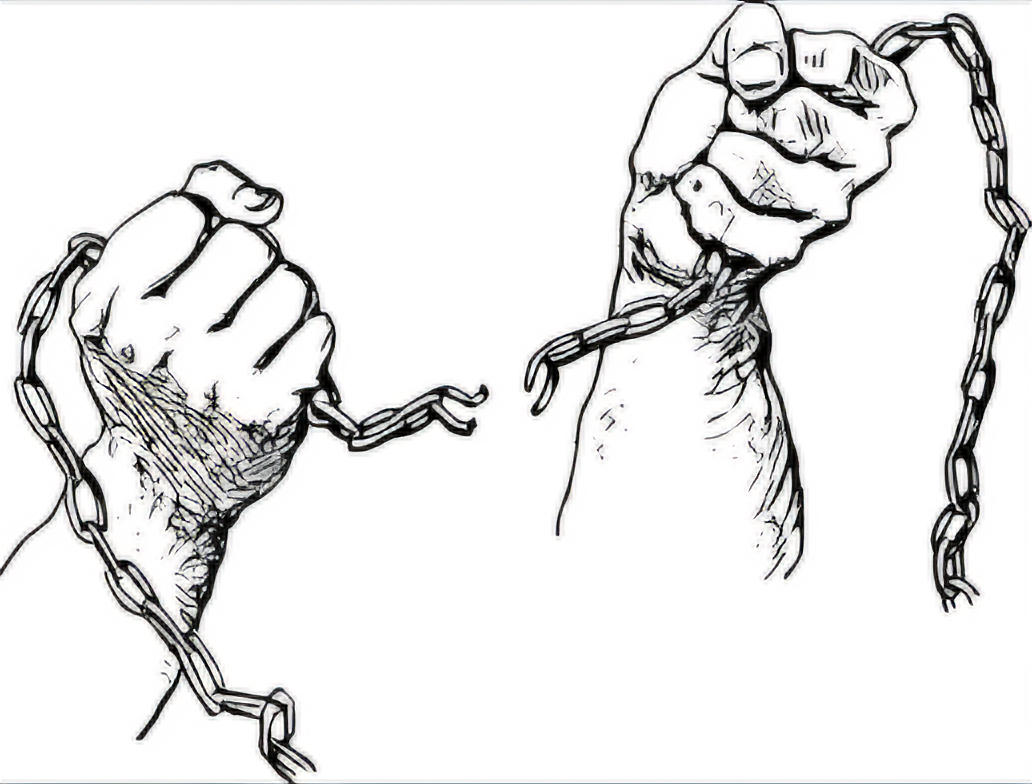
Autonomy is a fundamental aspect of a fulfilled life. The freedom to choose—our beliefs, our paths, our relationships—empowers us to live authentically. Many people around the world live without this luxury, constrained by circumstance, culture, or coercion. Having agency over our decisions is a gift that enables growth, creativity, and personal satisfaction. It also instills a sense of responsibility, reminding us that with freedom comes the duty to make choices that align with our values.

4. Time for Fun and Play

Play is not just for children. Adults need moments of joy, silliness, and creativity. Engaging in fun activities reduces stress, enhances brain function, and deepens relationships. Whether it’s dancing in the kitchen, painting for pleasure, or playing a spontaneous game, allowing ourselves to experience play keeps our spirit young. In a society that glorifies productivity, carving out time for fun is both a rebellion and a necessity.

5. Listening to Birds Singing

The simple act of listening to birds can be incredibly grounding. It reminds us of nature's rhythm and our connection to the world beyond screens and schedules. Birdsong has been scientifically shown to improve mood and reduce anxiety. It’s a reminder that beauty and harmony are all around us if we pause to notice. For many, morning bird calls signal peace, a fresh start, and a world that is still full of wonder.

6. Long Walks

Walking is a form of moving meditation. It offers clarity, fosters creativity, and connects us with our surroundings. Long walks provide time to process our thoughts, engage with nature, or share meaningful conversation with a companion. Walking slows us down in a world that constantly urges us to speed up. It’s a way to engage both body and mind in a low-impact, yet deeply effective form of self-care.

7. A Good Book

Books transport us. They allow us to live a thousand lives, visit unknown worlds, and understand perspectives vastly different from our own. A good book offers both escape and insight. In a single volume, we find comfort, challenge, and companionship. Reading fosters empathy, sharpens intellect, and cultivates a lifelong habit of curiosity. In a world flooded with fleeting content, the immersive experience of reading a good book is a true luxury.

8. Favorite Home-Cooked Meal

There’s a unique warmth in a home-cooked meal. It embodies care, tradition, and the joy of nourishment. The smells from the kitchen, the familiarity of a family recipe, or the satisfaction of cooking for oneself can evoke deep emotional comfort. Home cooking reconnects us with the sensory pleasures of food and the intimate act of feeding our bodies with love and intention.

9. Colorful Sunsets

A colorful sunset is nature’s way of saying goodnight with flair. Watching the sky transition through hues of orange, pink, and purple is a visual symphony. Sunsets remind us of the day’s end and offer a moment of reflection and awe. They teach impermanence and presence—beauty that cannot be possessed but only experienced. Making time to witness sunsets can be a ritual of gratitude and grounding.

10. Ability to Freely Express Yourself

Expression is the essence of identity. Whether through words, art, fashion, or action, the ability to express ourselves freely is vital for personal integrity. It is also a cornerstone of creativity and connection. In some parts of the world, expression is curtailed or punished, making it even more precious where it exists. To speak your truth, create without fear, and live out loud is a profound luxury.

11. Day Naps

Day naps are an underrated form of restoration. A brief retreat into sleep in the middle of the day can sharpen focus, elevate mood, and boost productivity. But more than that, it’s a way to listen to our bodies. Allowing ourselves to rest when we need it counters the toxic narrative that equates exhaustion with success. A nap is a radical act of self-respect in a culture that often demands perpetual motion.

12. A Good Conversation

Few things are as enriching as a deep, heartfelt conversation. Talking with someone who listens, challenges, and shares with sincerity builds trust and fosters connection. In an age of superficial exchanges and digital distractions, real conversation is increasingly rare. It is in these exchanges that we grow, heal, and feel understood. A good conversation is a meeting of minds and hearts—one of the richest human experiences.

Conclusion

These real luxuries are available to many of us not through wealth, but through awareness. They are often quiet, simple, and unassuming, yet profoundly impactful. By recognizing and cherishing them, we redefine what it means to live a rich life—not in terms of possessions, but in terms of presence, connection, and joy. The real luxuries are not bought, but found—in the rhythm of our breath, the warmth of the sun, and the moments we choose to truly live.


Monday, 2 June 2025

Russia-Ukraine War

Russia-Ukraine War: Top 5 News Updates - June 2, 2025

Russia-Ukraine War: Top 5 News Updates - June 2, 2025

1. Peace Talks in Istanbul End Abruptly

The second round of peace talks between Russia and Ukraine, held in Istanbul, Turkey, concluded just an hour after they began on June 2, 2025. The talks, hosted at the Ciragan Palace, were overshadowed by heightened military actions, including a massive Ukrainian drone attack on Russian air bases the previous day. Ukrainian President Volodymyr Zelenskyy emphasized that allowing Russia to dictate NATO membership would fuel further aggression, calling for a new level of sanctions against Moscow. The Turkish foreign minister noted global attention on the negotiations, but little progress was made, with Russia rejecting an unconditional ceasefire. Ukraine proposed further talks before the end of June, potentially involving Zelenskyy, Vladimir Putin, and U.S. President Donald Trump.

SOURCE

2. Ukrainian Drone Attack Targets Russian Strategic Bombers

On June 1, 2025, Ukraine launched one of its most significant drone attacks, targeting Russian air bases across five regions, including Siberia’s Belaya air base and the Olenya base in Murmansk. The operation, dubbed "The Spiderweb" by Ukraine’s Security Service (SBU), damaged 34% of Russia’s strategic cruise missile carriers, including Tu-95 and Tu-22M3 bombers, with an estimated $7 billion in damages. The attack, which involved drones hidden in wooden sheds, aimed to disrupt Russia’s nuclear-capable air forces, signaling Ukraine’s resilience despite Russian advances. Analysts suggest this weakens Russia’s strategic position and sends a message to both Moscow and Western allies.

SOURCE

3. Russia and Ukraine Exchange Intense Air Attacks

The eve of the Istanbul talks saw both nations escalate hostilities with significant air assaults. Russia launched 472 drones and multiple missiles at Ukraine overnight, marking the highest nightly drone attack of the war. Ukraine countered with strikes on Russian military infrastructure, including a highway bridge collapse in Bryansk that killed seven. These actions highlight the ongoing intensity of the conflict, with both sides reinforcing their positions ahead of diplomatic efforts. The violence underscores the challenges of achieving a ceasefire, as both Kyiv and Moscow remain steadfast in their demands.

SOURCE

4. Prisoner Exchange Agreement Reached

Despite the stalled peace talks, a significant humanitarian outcome emerged with an agreement for further prisoner exchanges. Following a “1,000 for 1,000” swap last month—the largest of the war—both sides committed to prioritizing exchanges of severely injured soldiers and young people. Ukraine’s foreign ministry highlighted this as the greatest achievement of the June 2 talks, though broader ceasefire negotiations faltered. The agreement reflects a rare point of cooperation amid ongoing hostilities, with Kyiv pushing for an “all for all” prisoner release principle.

SOURCE

5. Russia Advances in Sumy and Donetsk Regions

Russian forces reported capturing villages in Ukraine’s Sumy and Donetsk regions, including Vodolahy and Novopil, marking their fastest territorial gains in six months. Open-source maps indicate Russia seized 450 square kilometers in May 2025. Ukraine’s military chief reported intense Russian offensives in Pokrovsk, Torets, and Lyman, while evacuations were ordered for 11 villages in Sumy due to Russian advances. These developments, coupled with intensified Russian air strikes, signal Moscow’s focus on battlefield dominance, complicating diplomatic efforts for peace.

SOURCE

Source: The Guardian | Source: Reuters | Source: Al Jazeera


Monday, 12 May 2025

The Process from 19th to 20th century

Top 10 Incidents from the 19th Century to Today That Changed the World

Top 10 Incidents from the 19th Century to Today That Changed the World

From the 19th century to the present day, certain events have fundamentally altered the course of human history. These incidents, spanning industrialization, wars, technological revolutions, and social movements, have shaped global societies, economies, and environments. This blog explores the top 10 world-changing incidents from the 1800s to 2025, detailing how and why each left an indelible mark on the world.

1. Industrial Revolution (Late 18th to 19th Century)

Beginning in the late 18th century and peaking in the 19th, the Industrial Revolution transformed economies from agrarian to industrial, driven by steam power, mechanized production, and railways.

How: Innovations like the steam engine and textile machinery boosted production, urbanized populations, and spurred global trade. It laid the foundation for modern capitalism and colonial expansion.

Why: It revolutionized work, living standards, and global power dynamics, creating the modern world’s economic and social structures, while also introducing challenges like labor exploitation and environmental degradation.

2. Abolition of Slavery (19th Century)

The 19th century saw the global push to abolish slavery, with key milestones like Britain’s Slavery Abolition Act (1833) and the U.S. Emancipation Proclamation (1863).

How: Abolition movements, driven by moral campaigns and slave revolts, ended legal slavery in the Americas and British Empire, reshaping economies and societies.

Why: It marked a moral and legal shift toward human rights, influencing civil rights movements and global attitudes on equality, though systemic racism persisted.

3. World War I (1914–1918)

World War I, triggered by the assassination of Archduke Franz Ferdinand, involved global powers and resulted in over 16 million deaths, redrawing maps and ending empires.

How: The war led to the Treaty of Versailles, the collapse of the Austro-Hungarian and Ottoman Empires, and the creation of the League of Nations. It also spurred technological advancements like tanks and chemical weapons.

Why: It reshaped geopolitics, set the stage for World War II, and introduced modern warfare, while fostering nationalism and economic instability.

4. Russian Revolution (1917)

The Russian Revolution overthrew the Tsarist regime, leading to the establishment of the Soviet Union under Bolshevik leadership, marking the rise of communism.

How: The Bolsheviks, led by Lenin, seized power, inspiring communist movements worldwide. The Soviet Union became a global superpower, influencing the Cold War.

Why: It introduced a new ideological divide, shaping 20th-century geopolitics, labor movements, and global conflicts between capitalism and communism.

5. World War II (1939–1945)

World War II, involving over 70 countries, resulted in 70–85 million deaths and was marked by the Holocaust, atomic bombs, and the defeat of Nazi Germany and Imperial Japan.

How: The war led to the United Nations’ formation, decolonization, and the U.S. and Soviet Union emerging as superpowers, initiating the Cold War.

Why: It redefined global power, advanced technology (e.g., radar, computers), and established human rights frameworks, while highlighting the horrors of genocide and nuclear warfare.

6. Invention of the Internet (1960s–1990s)

The Internet, developed from ARPANET in the 1960s and commercialized in the 1990s, connected the world through digital networks, transforming communication and economies.

How: It enabled global information sharing, e-commerce, and social media, revolutionizing industries, education, and personal interactions.

Why: It created the digital age, reshaping how societies function, while introducing challenges like cybersecurity, privacy, and digital divides.

7. Civil Rights Movement (1950s–1960s)

The U.S. Civil Rights Movement, led by figures like Martin Luther King Jr., fought racial segregation and discrimination, culminating in laws like the Civil Rights Act of 1964.

How: Nonviolent protests and legal battles dismantled Jim Crow laws, inspiring global anti-discrimination movements, including anti-apartheid in South Africa.

Why: It advanced racial equality, reshaped social norms, and set a precedent for human rights activism, though inequalities persist.

8. September 11 Terrorist Attacks (2001)

On September 11, 2001, al-Qaeda terrorists hijacked four planes, crashing them into the World Trade Center, Pentagon, and a Pennsylvania field, killing nearly 3,000.

How: The attacks prompted the U.S.-led War on Terror, invasions of Afghanistan and Iraq, and global security measures like the Patriot Act.

Why: It redefined global security, heightened Islamophobia, and reshaped international relations, with lasting impacts on geopolitics and civil liberties.

9. COVID-19 Pandemic (2020)

The COVID-19 pandemic, caused by SARS-CoV-2, infected millions and killed over six million, disrupting global economies and societies.

How: Lockdowns, remote work, and vaccine development accelerated digital transformation, while exposing weaknesses in healthcare and supply chains.

Why: It reshaped work, education, and public health policies, sparking debates on freedom versus safety, with long-term societal and economic impacts.

10. Paris Climate Agreement (2015)

Adopted in 2015 by 196 countries, the Paris Climate Agreement aimed to limit global warming to below 2°C through emissions reductions and sustainable practices.

How: It spurred renewable energy investments, carbon pricing, and climate policies, though enforcement varies across nations.

Why: It marked global acknowledgment of climate change as a critical threat, shaping energy transitions and public awareness, with ongoing challenges in implementation.

These 10 incidents, from the Industrial Revolution to the Paris Climate Agreement, highlight the transformative forces that have shaped the modern world. They reflect humanity’s capacity for progress and destruction, offering lessons for navigating future challenges in an interconnected global society.

© 2025 RASHTRA BANDHU KUMAR. All rights reserved. | Contact


Tuesday, 6 May 2025

Smarter Rides

Smart Cycles: Bringing Childhood Magic Into the Future
Relive your childhood bike memories with cutting-edge smart technology that makes cycling safer and more fun than ever!

Smart Cycles: Bringing Childhood Magic Into the Future

Remember the joy of your first bicycle? The wind in your hair, the freedom to explore, that simple thrill of pedaling down your street? Smart Cycles capture that childhood magic while adding modern tech to make every ride safer and smarter.

The Bike That Feels Like Home

Smart Cycles keep everything we loved about our old childhood bikes:

✔ The same lightweight frame we could easily lift
✔ The comfortable saddle that carried us for hours
✔ Those smooth pedals we scraped with our sneakers
✔ The familiar handlebars we gripped with excitement

But now with invisible upgrades:
📍 GPS navigation in the handlebars (no more getting lost like we did as kids!)
🔋 Battery display (so you never worry like when our bike lights died)
🔒 Smart lock (remember how we just left our bikes unlocked?)
💡 Auto-lights (no more fumbling with tiny bike lights)

Same Joy, Smarter Rides

It's still the same simple, carefree cycling we loved—just with:

  • Parent-approved safety (alerts and tracking)
  • Exploration upgrades (never lose your way)
  • Secret tech hidden in the frame (magic we dreamed of as kids)

Wouldn't 8-year-old you think this was the coolest bike ever? 🚴♂️✨

What childhood bike memory would you love to relive with a Smart Cycle? Share below!

[By Rashtra Bandhu Kumar]


Thursday, 1 May 2025

Birthday Cake Celebration

Birthday Cake Celebration

The Magic of Birthday Cakes

Where Sweet Treats Meet Cherished Memories

Cake

There's something truly magical about birthday cakes that goes beyond their delicious flavors. They represent joy, celebration, and the love we share with those around us. From the first candle we blow out as children to the elaborate creations we enjoy as adults, birthday cakes mark our journey through life.

Why Birthday Cakes Matter

More than just dessert, birthday cakes serve as the centerpiece of celebration. They bring people together, create photo-worthy moments, and become the sweet punctuation mark to another year of life. The act of sharing cake symbolizes sharing happiness with those we cherish.

Popular Birthday Cake Styles

✨ 🎂 ✨

The Emotional Connection

Birthday cakes carry emotional weight that few other foods possess. They're tied to our earliest memories and continue to mark milestones throughout our lives. Consider these emotional connections:

Childhood Wonder

The anticipation of your birthday cake as a child is unmatched. Choosing the design, watching it be carried to the table, making a wish as you blow out candles - these moments create core memories.

Family Traditions

Many families have special cake traditions, whether it's grandma's secret recipe or always ordering from the same bakery. These rituals create continuity across generations.

Celebrating Together

The act of serving cake is inherently communal. As slices are passed around, so too is love and good wishes for the year ahead.

Modern Cake Trends

Today's birthday cakes have evolved into true works of art. From gravity-defying designs to personalized figurines, bakers are pushing creative boundaries while maintaining that essential element of celebration.

#BirthdayMagic
#CakeArtistry
#SweetCelebrations
#BakingLove
#PartyVibes
#FoodMemories
#CakeLovers
#CelebrationCulture

Rashtra Bandhu Kumar

Celebration Expert & Cake Enthusiast


Tuesday, 29 April 2025

How to catch vibes?

The Invisible Web of Vibes

The Invisible Web of Vibes: Exploring Energy, Apathy, and Reality

Introduction
Have you ever walked into a room and immediately felt its energy shift? Or met someone whose presence felt like a warm embrace—or a cold wall? These intangible sensations are what we call vibes. Part intuition, part emotion, and deeply cultural, vibes shape how we connect with the world. In this blog, we’ll unravel the mystery of vibes: how they radiate from living beings, twist into apathy, and straddle the line between reality and illusion.

vibes

What Is a Vibe?

A vibe (short for "vibration") is the unspoken emotional atmosphere emitted by people, places, or even ecosystems. Rooted in 1960s counterculture and popularized by phrases like "good vibrations," vibes are the subtle energy we sense intuitively. They’re not just felt—they influence us, guiding decisions, moods, and connections.

Vibes in Living Entities

Vibes thrive where there’s life. Here’s how they manifest:

  • People
    A person’s vibe is a cocktail of emotions, body language, and energy. A joyful friend radiates a "light" vibe, lifting moods effortlessly. Conversely, a stressed colleague might cast a "heavy" aura, tensing the room. This dynamic exchange is powered by mirror neurons, which help us subconsciously sync with others’ emotions.
  • Trees
    Ancient trees, like redwoods or baobabs, emit a grounding, almost sacred vibe. Their energy stems from centuries of growth and cultural reverence (e.g., Indigenous traditions viewing trees as spiritual conduits). A thriving forest hums with life, while a dying tree’s vibe turns mournful, its drooping branches echoing resignation.
  • Places
    Places absorb the energy of their history and inhabitants. A bustling market thrums with chaotic vitality, while a centuries-old temple radiates serenity. Even geography plays a role: volcanoes feel primal, oceans awe-inspiring.
  • Environments
    Ecosystems, like coral reefs or cities, blend countless vibes into a collective atmosphere. A healthy reef pulses with symbiotic energy, while a polluted cityscape feels drained, its vibe heavy with human exhaustion.

When Vibes Turn Apathetic

Apathy—emotional detachment—warps vibes into unsettling shadows of their former selves:

  • Apathetic Person: Imagine a coworker who responds to ideas with a blank "whatever." Their vibe feels hollow, draining enthusiasm from the room like a void.
  • Apathetic Place: An abandoned mall, once vibrant, now echoes with decay. Dust settles on forgotten stores, and visitors feel an urge to flee.
  • Apathetic Tree: A lone urban tree, roots choked by concrete, stands leafless and ignored. Its vibe whispers surrender, repelling life around it.
  • Apathetic Environment: A dystopian factory town, where gray skies and mechanical routines suffocate hope. The air feels numb, as if nature and humanity have both given up.

Apathetic vibes unsettle us because they defy life’s natural rhythms—growth, connection, and purpose. They signal stagnation, unresolved decay, or disconnection.

Are Vibes Real or Just an Illusion?

The debate hinges on perspective:

The Case for Reality:

  • Biology: Our brains detect micro-cues (tone, posture) through mirror neurons and emotional contagion.
  • Psychology: Spaces affect mood measurably (e.g., cluttered rooms raise stress).
  • Culture: Traditions like Ayurveda or Qi describe vibes as tangible energy (prana, chi).

The Case for Illusion:

  • Subjectivity: A concert might feel "electric" to one person, "overwhelming" to another.
  • Confirmation Bias: We retroactively label "bad vibes" after negative outcomes.
  • No Empirical Proof: No device measures "vibes" as metaphysical energy.
The Middle Ground:
Vibes are psychologically real. They may not be cosmic energy fields, but their effects—shaping decisions, moods, and social bonds—are undeniable.

Practical Takeaways

  • Trust (But Verify) Your Gut: Vibes often flag subconscious red flags. Pair intuition with logic.
  • You Shape the Vibe: Your energy impacts spaces. Smiles, enthusiasm, or even silence alters the atmosphere.
  • Revive Apathetic Spaces: Add music, plants, or art to stagnant environments. Energy follows attention.
  • Cultural Lenses Matter: A temple’s "spiritual vibe" may move a believer but leave a skeptic unmoved.

Conclusion: The Invisible Threads That Bind Us

Vibes are the silent language of life. They flow through ancient trees, pulse in crowded cities, and linger in abandoned places. Whether “real” energy or collective imagination, they remind us that we’re all part of an interconnected web—where every person, leaf, and brick radiates a story.

So next time you sense a vibe, pause. Listen. Whether it’s a forest’s whisper or a stranger’s glare, you’re touching the invisible fabric of existence. 🌿✨🌫️


Engage with the World: Notice the vibes around you today. How do they shape your mood? Share your stories in the comments!


प्रकृति की लय में जीवन: महिलाओं के लिए सचेतन जीवन की कला

प्रकृति की लय में जीवन

महिलाओं के लिए सचेतन जीवन की कला

प्रकृति में ध्यानमग्न महिला

"सब कुछ पाने" का भ्रम

हम सभी ने यह मंत्र सुना है: "बस और मेहनत करो, तुम सब कुछ पा सकती हो"। परन्तु महिलाओं के रूप में, करियर, परिवार, सामाजिक जीवन और आत्म-देखभाल के बीच संतुलन बनाने का यह दबाव हमें थका देता है। वहीं प्रकृति बिना समयसीमा या थकान के पनपती है। पेड़ ऊंचे होने की होड़ नहीं करता, नदी समुद्र तक पहुंचने की दौड़ नहीं लगाती। तो फिर हम क्यों?

अदृश्य श्रम का बोझ

महिलाएं असमान रूप से "अदृश्य श्रम" वहन करती हैं: घर का प्रबंधन, भावनात्मक देखभाल और सतत उत्पादकता की सामाजिक अपेक्षाएं। अध्ययन बताते हैं कि कामकाजी माताएं पुरुषों की तुलना में प्रति सप्ताह 10+ घंटे अवैतनिक देखभाल में लगाती हैं (OECD, 2023)। यह निरंतर "दौड़" मानसिक स्वास्थ्य को क्षति पहुंचाती है: 75% महिलाएं समय के दबाव से जुड़े तनाव की रिपोर्ट करती हैं (APA, 2022)।

"तुम्हें अग्नि बनने की आवश्यकता नहीं।
तुम जल बन सकती हो।
कोमल। शांत।
और फिर भी संसार का आकार बदल सकती हो।"
- नय्यिराह वाहीद

प्रकृति की गति के साथ तालमेल बनाने के उपाय

शरीर की प्राकृतिक लय को पहचानें

अपनी ऊर्जा के पैटर्न को समझें। सुबह रचनात्मकता अधिक? शाम को विश्राम की आवश्यकता? 9-to-5 के चक्र को थोपने के बजाय इन लयों का सम्मान करें।

वन सीमाएं निर्धारित करें

पेड़ जड़ों के माध्यम से संसाधन साझा करते हैं। इसी प्रकार, ऊर्जा चुराने वाले कार्यों को "न" और आपको पोषण देने वाले समुदाय को "हाँ" कहें।

"जंगली" प्राथमिकताएं अपनाएं

  • पूर्णता का भ्रम छोड़ें: उद्यान निर्दोष नहीं होता - वह जीवंत होता है
  • डिजिटल डिटॉक्स: स्क्रीन के बिना प्रकृति में समय बिताएं
  • छोटी वृद्धि का उत्सव: दैनिक नहीं, मासिक प्रगति देखें

गति धीमी कर चुकी महिलाओं के अनुभव

मरियम, 34 (उद्यमी): "मैंने सप्ताहांत में काम करना बंद किया। व्यवसाय धीमी गति से बढ़ा, परंतु मेरी रचनात्मकता और आनंद बढ़ गया।"

आयशा, 28 (छात्रा व देखभालकर्ता): "मैं अब 'खाली घंटे' निर्धारित करती हूँ। यह आलस्य नहीं - यह टूटने से बचने का उपाय है।"

सोनिया, 50 (कलाकार): "रजोनिवृत्ति ने मुझे शरीर की प्राकृतिक लय का सम्मान सिखाया। मैं धीमी गति से चित्र बनाती हूँ, परंतु कला गहरी हो गई है।"

जीवन कोई दौड़ नहीं

प्रकृति का संदेश स्पष्ट है: पनपने के लिए धैर्य चाहिए, गति नहीं। महिलाओं के लिए, यह उस भ्रम को अस्वीकार करना है कि हमारा मूल्य उत्पादकता से जुड़ा है। आओ हम वट वृक्ष की तरह बढ़ें - मजबूत जड़ें, लचीली, और निःसंकोच स्वयं।