Top 10 Incidents from the 19th Century to Today That Changed the World
From the 19th century to the present day, certain events have fundamentally altered the course of human history. These incidents, spanning industrialization, wars, technological revolutions, and social movements, have shaped global societies, economies, and environments. This blog explores the top 10 world-changing incidents from the 1800s to 2025, detailing how and why each left an indelible mark on the world.
1. Industrial Revolution (Late 18th to 19th Century)

Beginning in the late 18th century and peaking in the 19th, the Industrial Revolution transformed economies from agrarian to industrial, driven by steam power, mechanized production, and railways.
How: Innovations like the steam engine and textile machinery boosted production, urbanized populations, and spurred global trade. It laid the foundation for modern capitalism and colonial expansion.
Why: It revolutionized work, living standards, and global power dynamics, creating the modern world’s economic and social structures, while also introducing challenges like labor exploitation and environmental degradation.
2. Abolition of Slavery (19th Century)
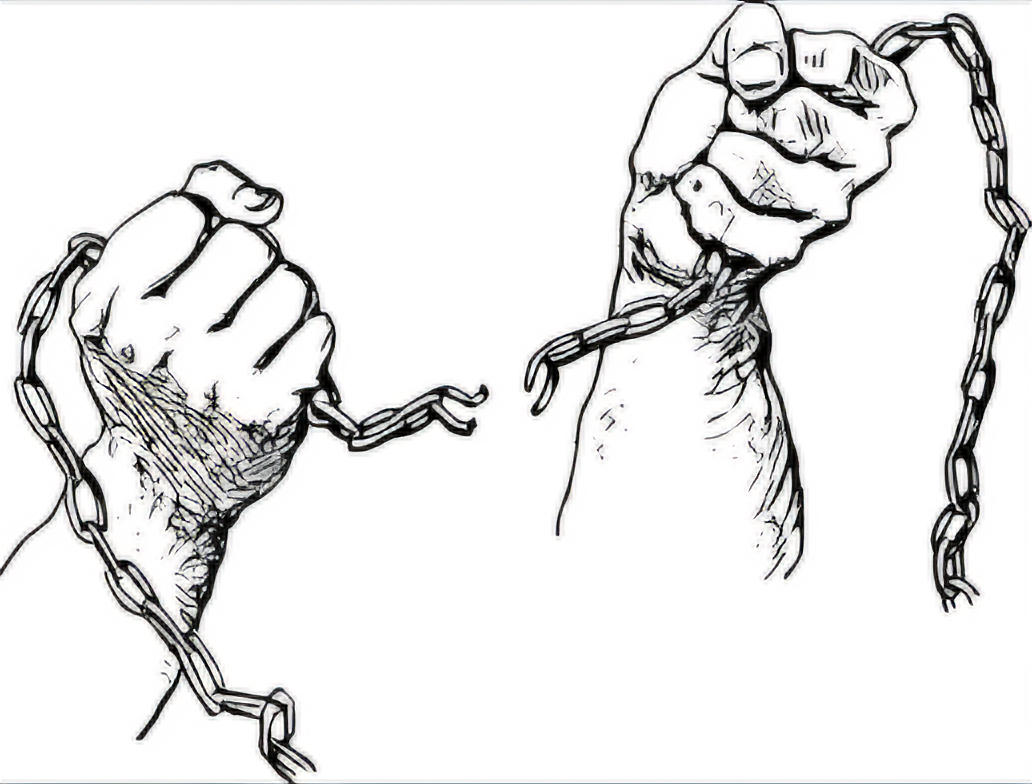
The 19th century saw the global push to abolish slavery, with key milestones like Britain’s Slavery Abolition Act (1833) and the U.S. Emancipation Proclamation (1863).
How: Abolition movements, driven by moral campaigns and slave revolts, ended legal slavery in the Americas and British Empire, reshaping economies and societies.
Why: It marked a moral and legal shift toward human rights, influencing civil rights movements and global attitudes on equality, though systemic racism persisted.
3. World War I (1914–1918)

World War I, triggered by the assassination of Archduke Franz Ferdinand, involved global powers and resulted in over 16 million deaths, redrawing maps and ending empires.
How: The war led to the Treaty of Versailles, the collapse of the Austro-Hungarian and Ottoman Empires, and the creation of the League of Nations. It also spurred technological advancements like tanks and chemical weapons.
Why: It reshaped geopolitics, set the stage for World War II, and introduced modern warfare, while fostering nationalism and economic instability.
4. Russian Revolution (1917)

The Russian Revolution overthrew the Tsarist regime, leading to the establishment of the Soviet Union under Bolshevik leadership, marking the rise of communism.
How: The Bolsheviks, led by Lenin, seized power, inspiring communist movements worldwide. The Soviet Union became a global superpower, influencing the Cold War.
Why: It introduced a new ideological divide, shaping 20th-century geopolitics, labor movements, and global conflicts between capitalism and communism.
5. World War II (1939–1945)

World War II, involving over 70 countries, resulted in 70–85 million deaths and was marked by the Holocaust, atomic bombs, and the defeat of Nazi Germany and Imperial Japan.
How: The war led to the United Nations’ formation, decolonization, and the U.S. and Soviet Union emerging as superpowers, initiating the Cold War.
Why: It redefined global power, advanced technology (e.g., radar, computers), and established human rights frameworks, while highlighting the horrors of genocide and nuclear warfare.
6. Invention of the Internet (1960s–1990s)

The Internet, developed from ARPANET in the 1960s and commercialized in the 1990s, connected the world through digital networks, transforming communication and economies.
How: It enabled global information sharing, e-commerce, and social media, revolutionizing industries, education, and personal interactions.
Why: It created the digital age, reshaping how societies function, while introducing challenges like cybersecurity, privacy, and digital divides.
7. Civil Rights Movement (1950s–1960s)

The U.S. Civil Rights Movement, led by figures like Martin Luther King Jr., fought racial segregation and discrimination, culminating in laws like the Civil Rights Act of 1964.
How: Nonviolent protests and legal battles dismantled Jim Crow laws, inspiring global anti-discrimination movements, including anti-apartheid in South Africa.
Why: It advanced racial equality, reshaped social norms, and set a precedent for human rights activism, though inequalities persist.
8. September 11 Terrorist Attacks (2001)

On September 11, 2001, al-Qaeda terrorists hijacked four planes, crashing them into the World Trade Center, Pentagon, and a Pennsylvania field, killing nearly 3,000.
How: The attacks prompted the U.S.-led War on Terror, invasions of Afghanistan and Iraq, and global security measures like the Patriot Act.
Why: It redefined global security, heightened Islamophobia, and reshaped international relations, with lasting impacts on geopolitics and civil liberties.
9. COVID-19 Pandemic (2020)

The COVID-19 pandemic, caused by SARS-CoV-2, infected millions and killed over six million, disrupting global economies and societies.
How: Lockdowns, remote work, and vaccine development accelerated digital transformation, while exposing weaknesses in healthcare and supply chains.
Why: It reshaped work, education, and public health policies, sparking debates on freedom versus safety, with long-term societal and economic impacts.
10. Paris Climate Agreement (2015)

Adopted in 2015 by 196 countries, the Paris Climate Agreement aimed to limit global warming to below 2°C through emissions reductions and sustainable practices.
How: It spurred renewable energy investments, carbon pricing, and climate policies, though enforcement varies across nations.
Why: It marked global acknowledgment of climate change as a critical threat, shaping energy transitions and public awareness, with ongoing challenges in implementation.
These 10 incidents, from the Industrial Revolution to the Paris Climate Agreement, highlight the transformative forces that have shaped the modern world. They reflect humanity’s capacity for progress and destruction, offering lessons for navigating future challenges in an interconnected global society.


